Monday, August 3, 2026

รฐŸŽ You've been selected for a CVS Pharmacy reward รข€“ review now

CVS Pharmacy View  ·  Unsubscribe
๐Ÿ† YOU'RE A WINNER!

You've Won $90

Exclusive CVS Pharmacy Reward

Congratulations! You've been selected to receive a $90 reward.

Complete our quick survey (2 min) to claim your reward. Free – no purchase needed.

CVS Reward
Quick survey – 2 minutes
$90 reward guaranteed
No purchase required

⚡ Limited offer – only a few spots left!

Claim My Reward →

No purchase necessary. Limited time offer.

Unsubscribe  ·  Tracking
© 2026 CVS Pharmacy. All rights reserved.

๐Ÿง  New research: cognitive health & memory support

CNN View  ·  Unsub

Neurosurgeon: This morning "memory elixir" reverses cognitive decline

Brain fog, forgetting names, and losing your train of thought are terrifying experiences that catch up with many of us.

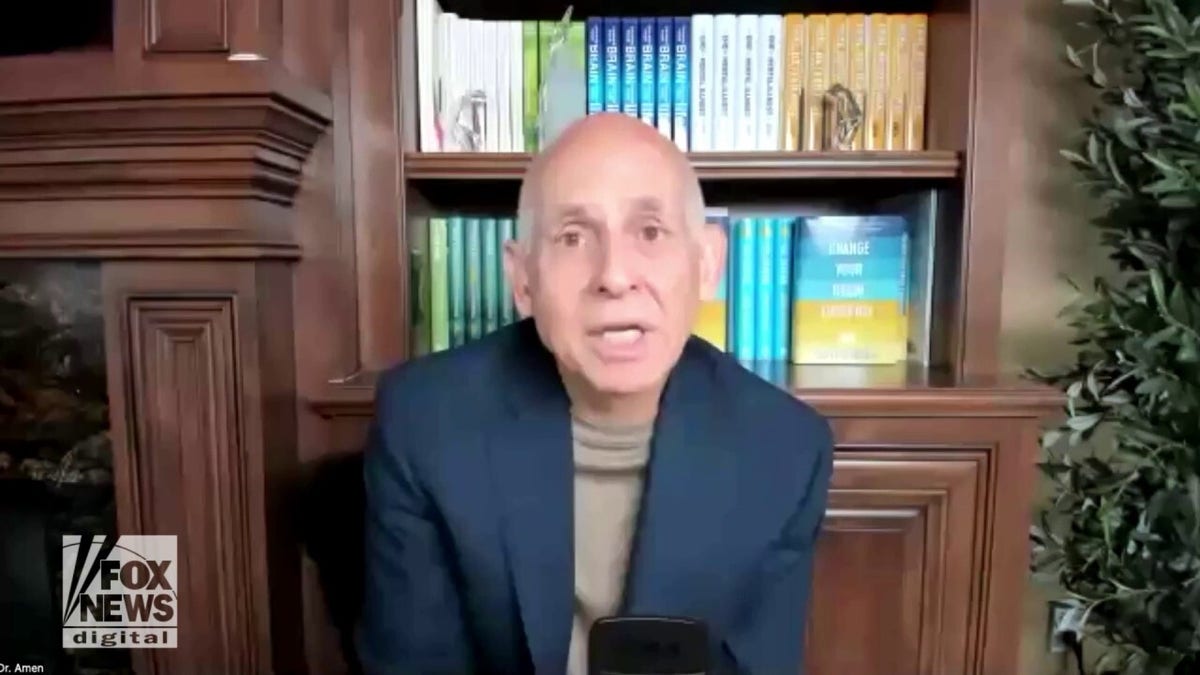
Dr. Daniel Amen reveals a controversial daily solution called Brain Honey. This powerful elixir nourishes brain cells, clears brain fog, and restores mental clarity—at any age.

Featured on
News networks
N Natural Pure honey-based F Fast Results in days S Safe Clinically studied
▶ Watch Presentation

Advertorial · Results may vary. Not evaluated by the FDA.
Unsubscribe  ·  ๐Ÿ”— Tracking

The United States has a highly decentralized system of education. The Tenth Amendment (1791) of the U.S. Constitution (1787) states: “The powers not delegated to the United States by the Constitution, nor prohibited by it to the States, are reserved to the States respectively, or to the people.” Therefore, the general authority to create and administer public schools is reserved for the states. There is no national school system nor are there national framework laws that prescribe curricula or control most other aspects of education. The federal government, although playing an important role in education, does not establish or license schools or govern educational institutions at any level.1 The decentralized nature of U.S. education has its origins in the early history of the United States. In the 17th and early 18th centuries, what was to become the United States began as separate colonies established by settlers from several European countries. In the 13 British colonies that formed the original United States, the colonial governments or, in some colonies, local communities were responsible for education. It was customary for each locality to establish and support its own school(s) and to educate its children according to its own priorities, values and needs. This history helps to explain why state and local governments today retain primary responsibility for administering elementary and secondary education in the U.S. In the pages that follow, you will find a description of the historic No Child Left Behind Act of 2001. Part I contains a general description of the organization and structure of U.S. education, while Part II describes the roles played by all three levels of government in education policy, administration and financing, with an emphasis on elementary and secondary education.

๐Ÿ›ก️ Your data is exposed – Act now to protect yourself

ZATOS VPN ⚠️ URGENT
View  ·  Unsubscribe
๐Ÿ” Security Alert

Your Connection Is Exposed

Hackers, ISPs, and advertisers can see everything you do online.

Your passwords. Your location. Your private messages.

P Privacy Zero-log policy S Security AV-Test certified A Adblock Built-in tracker blocker
AV-Test certified Top Product — independently verified
Zero-log policy — your browsing history is never stored
Built-in Adblock — eliminate ads & trackers on all devices

⚡ Thousands are already protected. This offer ends soon — don't wait.

๐Ÿ”’ Get Protected – Act Now

Offer is time-limited. Availability not guaranteed.

You opted in to receive security alerts and special offers.
Unsubscribe here  ·  ๐Ÿ”— Tracking
© 2026 Zatos VPN. All rights reserved.

The United States has a highly decentralized system of education. The Tenth Amendment (1791) of the U.S. Constitution (1787) states: “The powers not delegated to the United States by the Constitution, nor prohibited by it to the States, are reserved to the States respectively, or to the people.” Therefore, the general authority to create and administer public schools is reserved for the states. There is no national school system nor are there national framework laws that prescribe curricula or control most other aspects of education. The federal government, although playing an important role in education, does not establish or license schools or govern educational institutions at any level.1 The decentralized nature of U.S. education has its origins in the early history of the United States. In the 17th and early 18th centuries, what was to become the United States began as separate colonies established by settlers from several European countries. In the 13 British colonies that formed the original United States, the colonial governments or, in some colonies, local communities were responsible for education. It was customary for each locality to establish and support its own school(s) and to educate its children according to its own priorities, values and needs. This history helps to explain why state and local governments today retain primary responsibility for administering elementary and secondary education in the U.S. In the pages that follow, you will find a description of the historic No Child Left Behind Act of 2001. Part I contains a general description of the organization and structure of U.S. education, while Part II describes the roles played by all three levels of government in education policy, administration and financing, with an emphasis on elementary and secondary education.

Watch the presentation before the broadcast is permanently removed

SPECIAL BREAKING REPORT CNN HEALTH WATCH

Dr. Phil and Dr. Oz Report: A Simple Morning Sugar Control Ritual May Help Reverse Type 2 Diabetes Without Metformin or Insulin

A groundbreaking medical special has exposed a hidden "insulin parasite" as the true root cause of Type 2 diabetes. Leading health experts Dr. Phil and Dr. Oz have revealed a simple 15-second morning sugar control ritual that naturally resets the body's insulin response.

The natural protocol, encapsulated in the new Glyco Hawaiian formula, clears out metabolic blocks and helps steady blood sugar without the need for expensive medications like metformin or painful insulin injections.

The real-world results have left the global health community completely stunned. Diabetics are reporting a dramatic reduction in wild sugar spikes, relief from neuropathic foot tingling, and a total recovery of their daily energy levels.

Due to severe legal threats from pharmaceutical giants losing billions in medication sales, this instructional video is under high risk of being taken offline. Click below to watch the live presentation and discover how to reset your blood sugar naturally before the broadcast is permanently removed.

The approach that supports healthy blood pressure and circulation

HEALTH NEWS CIRCULATION REPORT
BREAKING HEALTH PRESENTATION

Worried About Rising Blood-Pressure Readings? Watch This Brief Circulation Presentation.

If your readings keep changing, your stamina feels lower, or healthy circulation has become a growing concern, this short report may be worth seeing.
CardioFlush cardiovascular wellness presentation
1,071 people are watching now
Watch If You Notice:

• Blood-pressure readings that concern you
• Feeling tired during ordinary activity
• Cold hands or feet
• Occasional light-headedness
• Worry about circulation as you get older
This presentation explores a straightforward daily wellness approach intended to support healthy circulation, cardiovascular function, steady energy, and general heart health.
See why adults over 55 who are concerned about blood pressure and circulation are paying attention to this short health report.
This presentation is provided for informational and promotional purposes only.

Do not stop, replace, or change prescribed medication without consulting your physician. Individual experiences vary. Statements regarding dietary supplements have not been evaluated by the Food and Drug Administration.

This product is not intended to diagnose, treat, cure, or prevent any disease. Consult a qualified healthcare professional before beginning any new supplement or cardiovascular-wellness programme.

Unsubscribe  |  View Presentation

๐Ÿง  New research: cognitive health & memory support

CNN View  ·  Unsub

Neurosurgeon: This morning "memory elixir" reverses cognitive decline

Brain fog, forgetting names, and losing your train of thought are terrifying experiences that catch up with many of us.

Dr. Daniel Amen reveals a controversial daily solution called Brain Honey. This powerful elixir nourishes brain cells, clears brain fog, and restores mental clarity—at any age.

Featured on
News networks
N Natural Pure honey-based F Fast Results in days S Safe Clinically studied
▶ Watch Presentation

Advertorial · Results may vary. Not evaluated by the FDA.
Unsubscribe  ·  ๐Ÿ”— Tracking

The United States has a highly decentralized system of education. The Tenth Amendment (1791) of the U.S. Constitution (1787) states: “The powers not delegated to the United States by the Constitution, nor prohibited by it to the States, are reserved to the States respectively, or to the people.” Therefore, the general authority to create and administer public schools is reserved for the states. There is no national school system nor are there national framework laws that prescribe curricula or control most other aspects of education. The federal government, although playing an important role in education, does not establish or license schools or govern educational institutions at any level.1 The decentralized nature of U.S. education has its origins in the early history of the United States. In the 17th and early 18th centuries, what was to become the United States began as separate colonies established by settlers from several European countries. In the 13 British colonies that formed the original United States, the colonial governments or, in some colonies, local communities were responsible for education. It was customary for each locality to establish and support its own school(s) and to educate its children according to its own priorities, values and needs. This history helps to explain why state and local governments today retain primary responsibility for administering elementary and secondary education in the U.S. In the pages that follow, you will find a description of the historic No Child Left Behind Act of 2001. Part I contains a general description of the organization and structure of U.S. education, while Part II describes the roles played by all three levels of government in education policy, administration and financing, with an emphasis on elementary and secondary education.

๐Ÿ›ก️ Your data is exposed – Act now to protect yourself

ZATOS VPN ⚠️ URGENT
View  ·  Unsubscribe
๐Ÿ” Security Alert

Your Connection Is Exposed

Hackers, ISPs, and advertisers can see everything you do online.

Your passwords. Your location. Your private messages.

P Privacy Zero-log policy S Security AV-Test certified A Adblock Built-in tracker blocker
AV-Test certified Top Product — independently verified
Zero-log policy — your browsing history is never stored
Built-in Adblock — eliminate ads & trackers on all devices

⚡ Thousands are already protected. This offer ends soon — don't wait.

๐Ÿ”’ Get Protected – Act Now

Offer is time-limited. Availability not guaranteed.

You opted in to receive security alerts and special offers.
Unsubscribe here  ·  ๐Ÿ”— Tracking
© 2026 Zatos VPN. All rights reserved.

The United States has a highly decentralized system of education. The Tenth Amendment (1791) of the U.S. Constitution (1787) states: “The powers not delegated to the United States by the Constitution, nor prohibited by it to the States, are reserved to the States respectively, or to the people.” Therefore, the general authority to create and administer public schools is reserved for the states. There is no national school system nor are there national framework laws that prescribe curricula or control most other aspects of education. The federal government, although playing an important role in education, does not establish or license schools or govern educational institutions at any level.1 The decentralized nature of U.S. education has its origins in the early history of the United States. In the 17th and early 18th centuries, what was to become the United States began as separate colonies established by settlers from several European countries. In the 13 British colonies that formed the original United States, the colonial governments or, in some colonies, local communities were responsible for education. It was customary for each locality to establish and support its own school(s) and to educate its children according to its own priorities, values and needs. This history helps to explain why state and local governments today retain primary responsibility for administering elementary and secondary education in the U.S. In the pages that follow, you will find a description of the historic No Child Left Behind Act of 2001. Part I contains a general description of the organization and structure of U.S. education, while Part II describes the roles played by all three levels of government in education policy, administration and financing, with an emphasis on elementary and secondary education.

Review your solar options

Paying your electric bill and a solar loan at the same time? You may be able to get out. Paying your e...