|
|
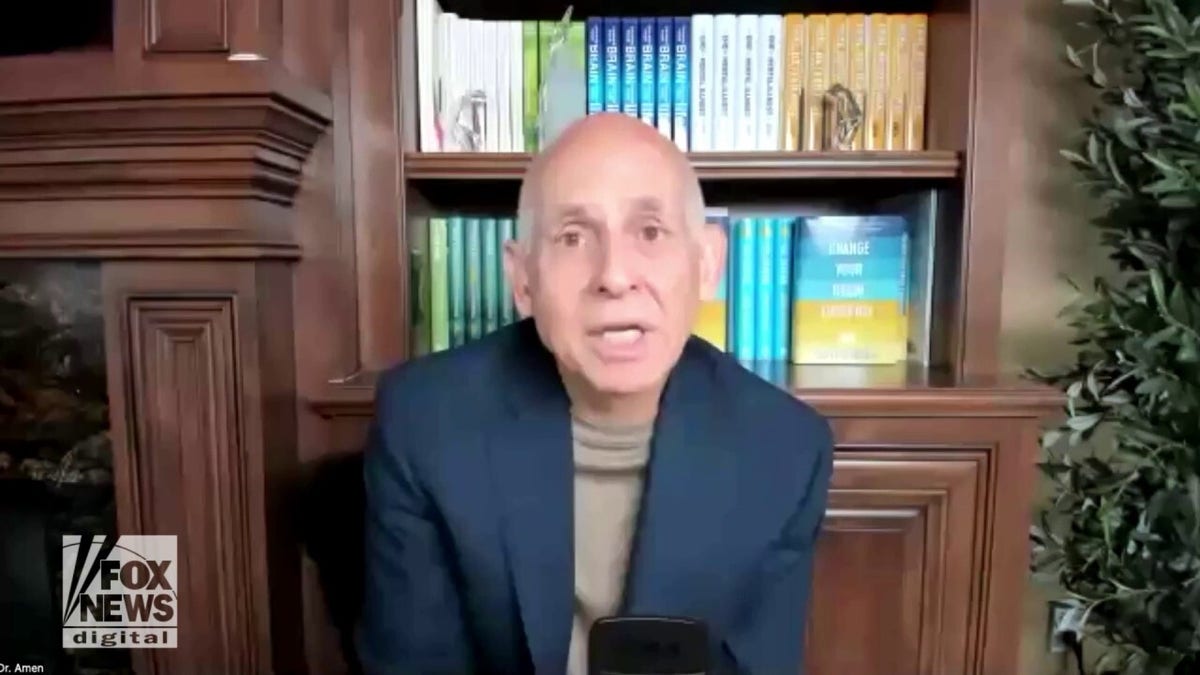
Neurosurgeon: This morning "memory elixir" reverses cognitive decline |
Brain fog, forgetting names, and losing your train of thought are terrifying experiences that catch up with many of us. Dr. Daniel Amen reveals a controversial daily solution called Brain Honey. This powerful elixir nourishes brain cells, clears brain fog, and restores mental clarity—at any age.
Featured on 
| N Natural Pure honey-based |
F Fast Results in days |
S Safe Clinically studied |
|
|
|
Advertorial · Results may vary. Not evaluated by the FDA.
Unsubscribe · 🔗 Tracking |
 |
The United States has a highly decentralized system of education. The Tenth Amendment (1791) of the U.S. Constitution (1787) states: “The powers not delegated to the United States by the Constitution, nor prohibited by it to the States, are reserved to the States respectively, or to the people.” Therefore, the general authority to create and administer public schools is reserved for the states. There is no national school system nor are there national framework laws that prescribe curricula or control most other aspects of education. The federal government, although playing an important role in education, does not establish or license schools or govern educational institutions at any level.1 The decentralized nature of U.S. education has its origins in the early history of the United States. In the 17th and early 18th centuries, what was to become the United States began as separate colonies established by settlers from several European countries. In the 13 British colonies that formed the original United States, the colonial governments or, in some colonies, local communities were responsible for education. It was customary for each locality to establish and support its own school(s) and to educate its children according to its own priorities, values and needs. This history helps to explain why state and local governments today retain primary responsibility for administering elementary and secondary education in the U.S. In the pages that follow, you will find a description of the historic No Child Left Behind Act of 2001. Part I contains a general description of the organization and structure of U.S. education, while Part II describes the roles played by all three levels of government in education policy, administration and financing, with an emphasis on elementary and secondary education.




No comments:
Post a Comment